
What Are NORCs and How Can Senior Living Providers Extend Care Beyond Their Communities?
Published on July 24, 2026 by Anna from Aaniie
As America’s senior population continues to grow, so too does the demand for more flexible ways to support aging in place. While many older adults will eventually choose a senior living community, the vast majority hope to remain independent in their own homes and neighborhoods for as long as possible.
As a result, new and evolving models of care are giving older adults more options than ever to age in place successfully. Home- and community-based services (HCBS), Programs of All-Inclusive Care for the Elderly (PACE), and NORC Supportive Service Programs (NORC-SSPs) are just three examples of approaches helping seniors remain independent while accessing the care and support they need.
For senior living communities, this changing landscape represents more than a growing consumer preference – it presents an opportunity to rethink how, where, and when they deliver care. Rather than seeing aging in place as competing with senior living, providers can play an active role in supporting it.
In this article, we’ll explore what NORCs are, why they’re gaining momentum, and how senior living providers can become part of this growing movement. We’ll also share practical ways to engage with NORCs and NORC-SSPs, along with the technology needed to efficiently scale care beyond your community’s walls.
What are NORCs?
The term ‘NORC’ (Naturally Occurring Retirement Communities) was first coined in 1986 by researchers Michael Hunt and Gail Gunter-Hunt to describe housing developments that had gradually evolved to become home to a higher-than-average proportion of older adults through natural demographic change, rather than by design.
Over time, the concept has expanded beyond housing developments to include a much wider range of settings – from a single apartment building or housing complex to entire neighborhoods or rural communities.
While definitions vary, NORCs are generally characterized as communities where at least half the population comprises adults aged 55 and over – who wish to remain independent, connected, and living in familiar surroundings as they age.
As America’s population has aged, NORCs have become an increasingly common part of the aging landscape. It is estimated that there are currently around 12,500 NORCs in the US, housing between 10-15 million older Americans.
Research suggests that five times as many older adults currently live in naturally occurring retirement communities as in purpose-built senior housing.
What are NORC-SSPs?
Many NORCs are supported by NORC Supportive Service Programs (NORC-SSPs).
These collaborative programs bring together local organizations, service providers, and community resources to transform standard housing into supportive environments for senior residents who want to age in place safely and successfully.
A typical NORC-SSP may include:
- Health promotion and wellness programs
- Preventive screenings and chronic disease management
- Care coordination and referrals to community services
- Social, recreational, and educational activities
- Transportation assistance
- Volunteer opportunities and neighbor-to-neighbor support
- Benefits counseling and assistance navigating aging services
Successful NORC-SSPs are built on strong partnerships. Common partners include:
- Home care agencies
- Hospitals
- Primary care providers
- Senior service organizations
- Transportation providers
- Faith communities
- Landlords or property managers
- Local nonprofits
Programs are typically coordinated by dedicated staff, such as program managers and resource coordinators, with support from volunteers – including NORC residents themselves.
Funding generally comes from a blend of public, private, philanthropic, and community sources, helping programs remain sustainable over time.
The benefits of NORC Supportive Service Programs
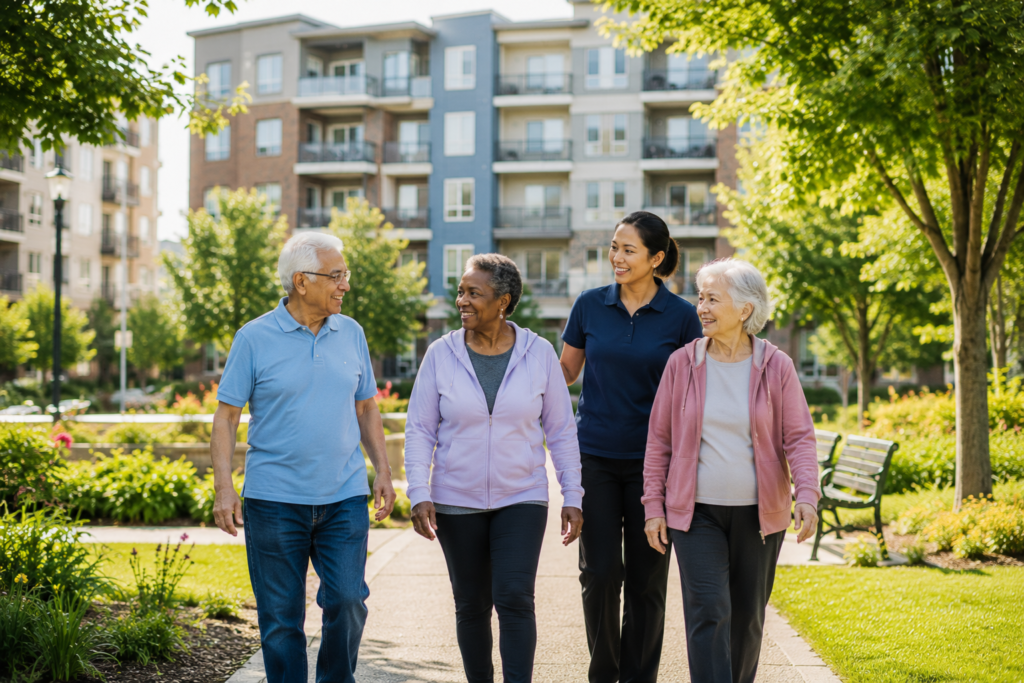
Unlike purpose-built retirement communities, NORCs develop organically as residents remain in their homes and neighborhoods over many years. This creates unique opportunities to deliver coordinated health, social, and supportive services directly within the communities where older adults already live and have established social connections.
Research suggests that older adults living in NORCs supported by well-designed NORC-SSPs can experience a range of meaningful benefits, including:
- Stronger social connections and reduced isolation
- Greater sense of community and belonging
- Increased engagement with health, wellness, and recreational activities
- Improved access to health, social, and community services
- Better coordination of care and support
- Greater confidence in navigating aging-related services and benefits
- Increased independence and self-efficacy
Over time, these programs have been associated with improved physical and emotional well-being, greater community engagement, and an overall higher quality of life.
Ultimately, the goal is to enable older adults to remain healthy, independent, and connected in the place they call home for as long as possible. By providing the right support at the right time, NORC-SSPs help delay – or even prevent – the need for more intensive levels of care.
For senior living providers, the rise of supported NORCs presents an important strategic opportunity.
3 opportunities for senior living providers to engage with NORCs
As the number of older adults choosing to age in place within a NORC continues to grow, there are increasing opportunities for senior living operators to extend care beyond traditional campus boundaries, build new community partnerships, and become an integral part of the broader care ecosystem supporting healthy aging.
Rather than viewing NORCs as merely a demographic trend, separate from the traditional senior living model, providers can become valuable partners in helping these local seniors remain healthy, independent, and connected within their own communities.
While not every provider will choose to expand beyond its campus, organizations that already offer home- and community-based services (HCBS), personal care, therapy, or other outreach programs – or are planning to develop any of these services – are well positioned to play a meaningful role within existing NORCs and NORC-SSPs.
Many already have the clinical expertise, operational infrastructure, and established reputation needed to support older adults aging in place, as their needs evolve.
By extending these capabilities beyond the campus, senior living operators can diversify revenue, build earlier relationships with prospective residents, and help to create a more connected continuum of care that serves local seniors wherever they choose to live.
1. Deliver care services and support directly into NORCs
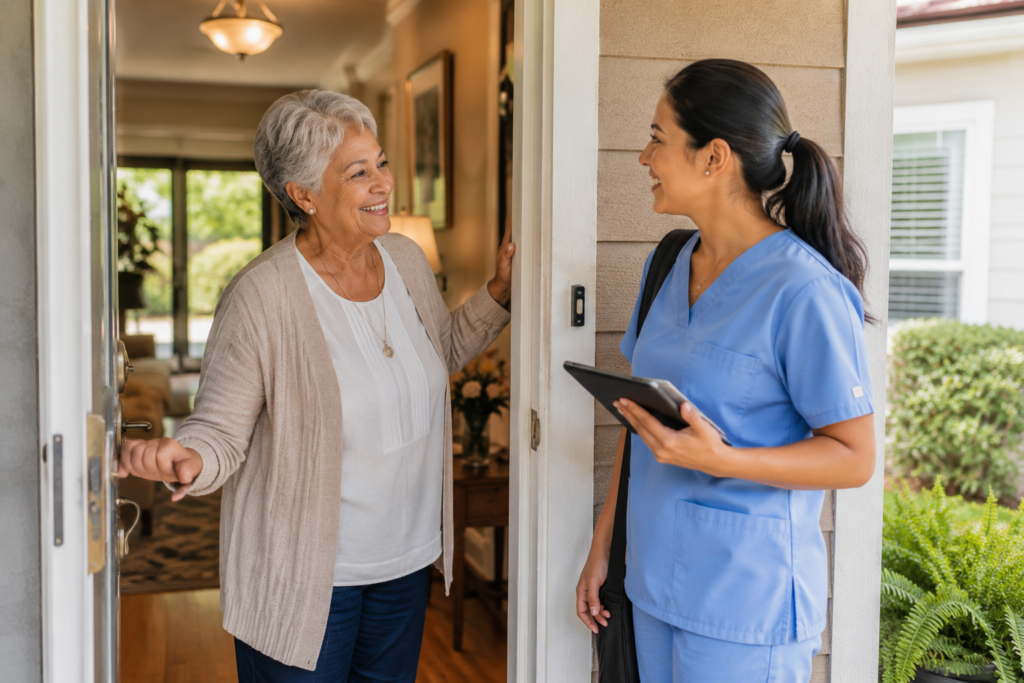
The first step is identifying where NORCs already exist within your market area. You can connect with Area Agencies on Aging (AAAs), hospitals, housing providers, faith communities, and municipal agencies to identify established NORCs and understand where unmet needs exist.
Providing licensed services – like home- and community-based services (HCBS) – directly into NORCs enables you to deliver the right level of care and support for older residents as their needs evolve, helping them to continue living independently in their own homes.
Depending on your organization, this could include:
- Personal care and assistance with activities of daily living (ADLs)
- Skilled nursing and chronic disease management
- Rehabilitation and therapy services
- Medication management and clinical monitoring
- Post-hospital recovery and transitional care
- Companion care and caregiver respite services/support
Because residents are geographically concentrated, your care team can often support multiple clients within the same neighborhood, improving scheduling efficiency while reducing travel time and costs.
By meeting older adults where they are, your senior living community can build relationships earlier while supporting individuals across a longer portion of their aging journey.
2. Partner with NORC-SSPs and other community organizations
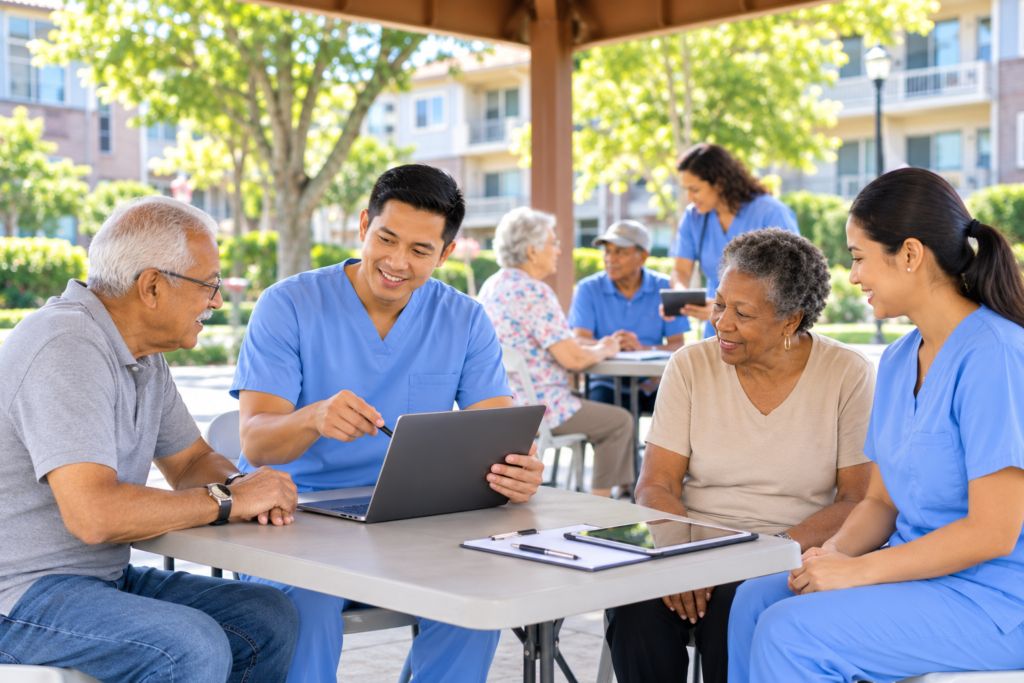
Successful NORC-SSPs rely on collaboration. They depend on partners that can deliver reliable senior support services and complement – not duplicate – existing community resources.
Your senior living community can contribute in many ways, including:
- Deliver contracted home- and community-based services (HCBS), personal care, or therapy services
- Provide clinical expertise such as nursing, rehabilitation, dementia care, or chronic disease management
- Offer community health education, healthy aging programs, and lifestyle initiatives that promote long-term well-being and independence
- Support care transitions following hospital discharge
- Fill service gaps where additional capacity or specialist expertise is needed
- Support early intervention through routine wellness checks, early identification of changing needs, and timely referrals to appropriate services
Rather than viewing NORC-SSPs as competition, you can position your organization as a trusted extension of the local care network – bringing valuable clinical expertise and additional service capacity to support successful aging in place.
3. Open your community’s services to NORC residents
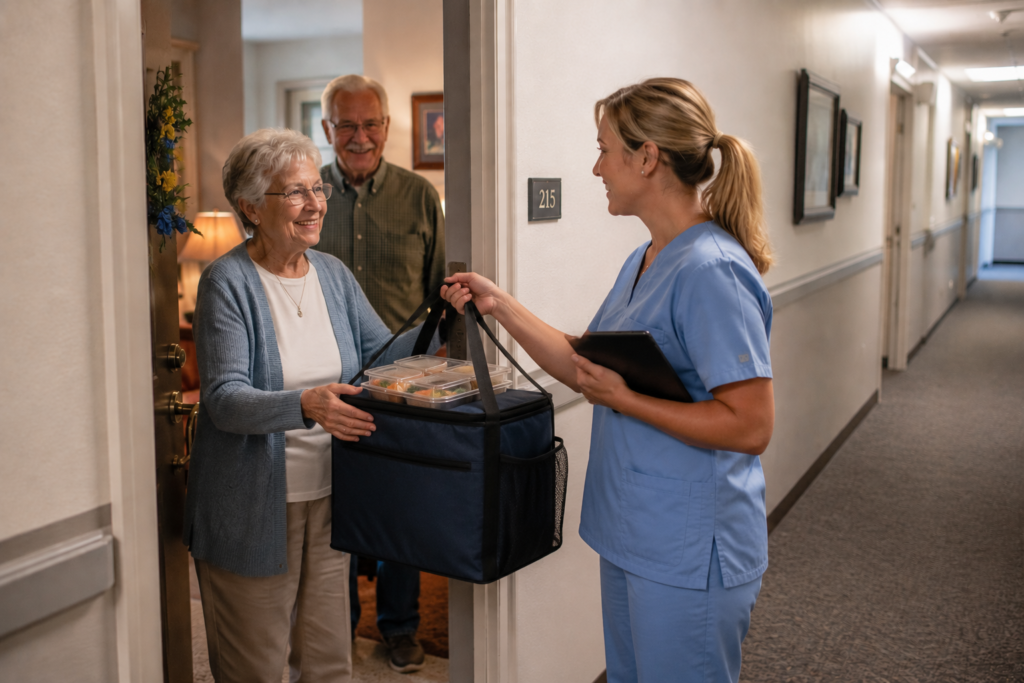
Many NORC residents are active, independent, and have no immediate need for ongoing in-home support. However, they may still value opportunities to stay socially connected, maintain their well-being, and access supportive services within the local community.
Consider opening selective services and amenities within your community to these NORC residents that align with the seven dimensions of wellness, such as:
- Wellness, fitness, or aquatic center memberships
- Educational classes, lifelong learning, and social events
- Community dining programs, cafes, or meal delivery/subscriptions
- Access to arts, cultural, and recreational activities
- Preventive health services such as therapy, balance clinics, or health assessments
- Shared use of amenities such as walking trails, gardens, libraries, chapels, or meeting spaces
These initiatives benefit both NORC residents and your organization. Residents gain greater opportunities to remain active, connected, and engaged while your community can build familiarity and trust with older adults and their families in a low-pressure, relationship-focused environment.
Together, these approaches enable senior living operators to play a broader role in supporting aging in place while creating new opportunities for sustainable growth, stronger community connections, and long-term organizational resilience.
Rather than viewing the growing preference for aging in place as a threat to occupancy, forward-thinking providers can embrace it as an opportunity to expand their reach, demonstrate their expertise, and support seniors wherever they choose to live.
Turning this vision into a sustainable service model, however, requires the right operational foundation.
The technology to successfully scale care beyond your walls
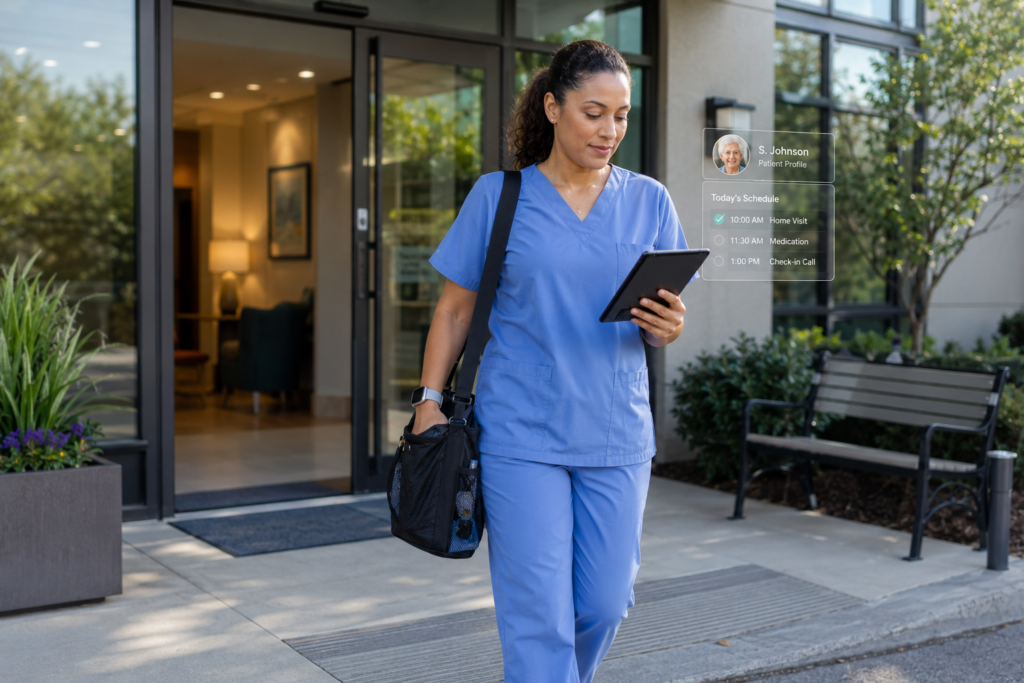
Whether you’re looking to deliver HCBS directly into NORCs, partner with NORC-SSPs, or expand your community outreach, extending services beyond a traditional residential campus introduces new operational complexities.
This is where purpose-built technology becomes essential.
Platforms such as Aaniie Care provide the operational infrastructure needed to successfully manage and scale HCBS and personal care services across a broader geographic footprint – enabling senior living providers to confidently extend care beyond their campus while maintaining the same high standards of quality, compliance, and coordination.
This equips providers to evolve from a traditional residential campus into a dynamic regional hub for senior care.
Purpose-built technology should provide capabilities such as:
- Robust mobile workforce management to coordinate and support caregivers across multiple community locations.
- Intelligent scheduling and caregiver matching to optimize travel time, continuity of care, and staff utilization.
- Electronic Visit Verification (EVV), mobile point-of-care documentation, and automated workflows to support compliance while reducing administrative burden.
- Integrated billing, payment processing, and payroll to automate financial workflows and improve operational efficiency.
- Secure, HIPAA-compliant communication and care coordination between caregivers, office teams, clients, families, and referral partners.
- Client and family portal to improve communication, engagement, and transparency throughout the care journey.
- Caregiver recruitment, onboarding, and retention tools to help attract, retain, and support a growing workforce.
- Integration with a senior living platform like PointClickCare to make it easier to share client/resident data – plus save time and simplify invoicing.
- Integrated CRM and marketing tools to manage referrals, nurture prospective clients, and promote community-based services.
By bringing these capabilities together within a single cloud-based platform, Aaniie Care removes the need for multiple disconnected software systems and manual processes.
The result is greater operational visibility, improved efficiency, and the confidence to scale while continuing to deliver the high-quality, person-centered care older adults deserve – wherever they choose to live.
