
How Self-Directed Care Programs Transform the Role of Home Care Providers
Published on August 10, 2026 by Anna from Aaniie
Home care has always been personal. Across the U.S., self-directed care programs are giving older adults and individuals with disabilities even greater choice over who supports them, when they receive care, and how that support fits into their lives.
For home care providers, that’s an exciting shift. It creates more opportunities to:
- Understand individual preferences
- Build meaningful relationships
- Support families
- Help people shape care around the lives they want to lead
…but don’t you sometimes wish there were just a few more hours in the day?
Because in addition to those valuable human interactions, scheduling, documentation, communication, compliance, payroll, billing, and all the other work involved in keeping an agency moving are inevitable.
For providers, the challenge is finding ways to support the added flexibility of self-directed care without adding unnecessary complexity to their day-to-day operations.
To understand how self-directed care is changing the role of home care providers, it helps to first look at what self-directed care actually means — and what makes it different from traditional agency-directed care.
What is self-directed care?
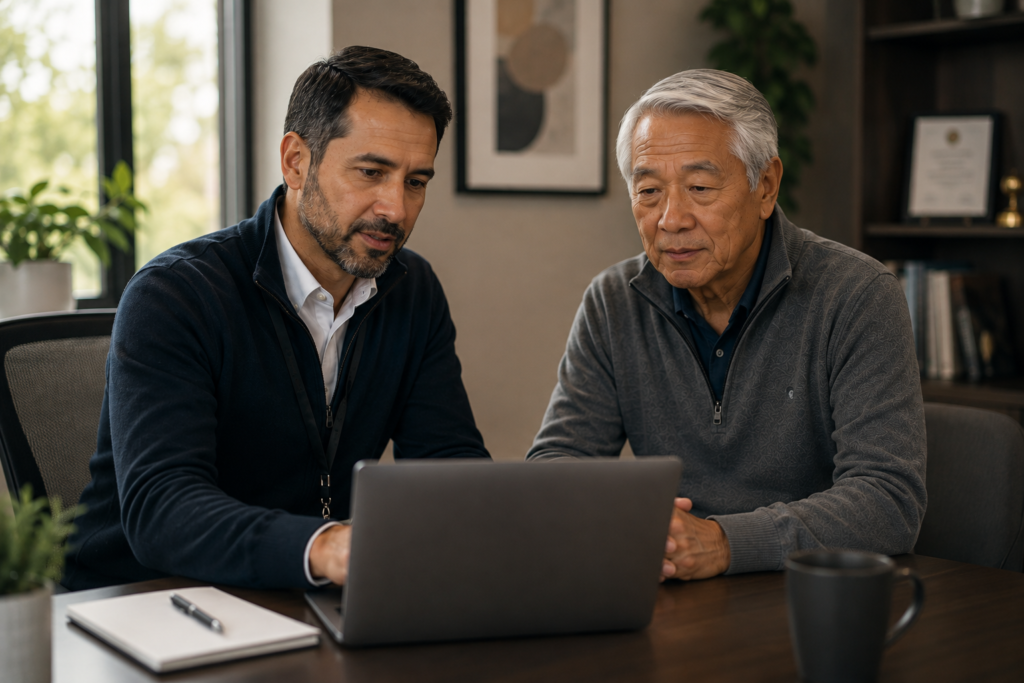
Self-directed care gives individuals more control over how their care and support are arranged.
The exact model varies between programs and states, but self-direction aims to give people greater involvement in choosing caregivers, determining when support is delivered, directing available care budgets, and shaping services around their own routines, needs, and preferences.
This differs from more traditional agency-directed models, where providers typically make more of these decisions on a client’s behalf.
In essence, self-directed care is about putting the individual even more firmly at the center of their care.
Why more states are expanding self-directed care programs
Self-directed care reflects one of several broader changes happening across home and community-based care.
More people want to remain independent and receive support at home. Clients and families expect personalized experiences and greater involvement in care decisions. Meanwhile, workforce pressures are encouraging providers and states to explore more flexible ways of connecting people with the support they need.
Medicaid programs and individual states have also continued to develop approaches that give eligible participants greater control over their services.
While self-directed programs can differ from state to state, the direction is clear: choice, independence, flexibility, and person-centered care matter.
For home care providers, that creates an opportunity: to become a valuable partner in helping individuals make those choices work.
How self-directed care is bringing providers closer to the people they support
As self-directed care evolves, providers have even more opportunities to spend time on the work that makes home care rewarding, including:
- Understanding what matters to an individual
- Helping them find a caregiver they connect with
- Listening to families
- Supporting caregivers
- Responding to feedback
- Adapting care as people’s lives and preferences change
These relationships can become even more important in a self-directed environment.
Clients expect choice. Families value transparency. Caregivers need to feel heard and supported. Great providers create an experience where all three can thrive.
The challenge? Creating enough time and visibility to nurture those relationships consistently while everything else continues behind the scenes.
That’s where using the right technology can make a world of difference.
“Pick a software that will help you grow. Through our 9 years in business, Aaniie has been able to grow with us. It’s been able to expand with us and do the things that we need to do. Aaniie has really been the backbone of our business.”
– Stephen Stegall Jr., President, Golden Heart Des Moines
Great care starts with the right match
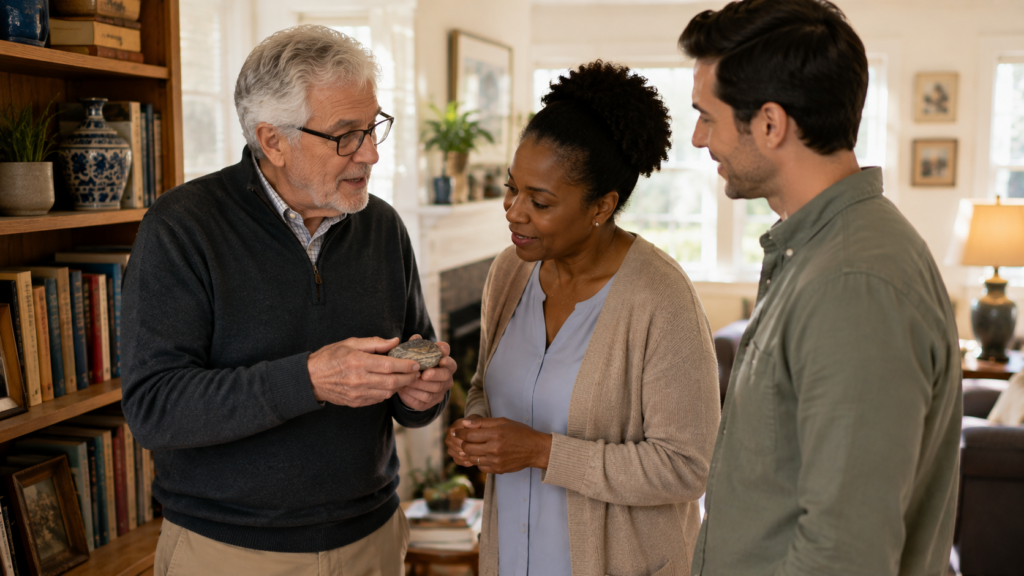
Giving clients more choice doesn’t simply mean presenting them with a list of available caregivers.
Yes, a successful care relationship involves qualifications and availability, but it also depends on preferences, personality, communication style, shared interests, and that less tangible quality: compatibility.
The right technology helps providers bring those threads together.
For instance, Aaniie’s intelligent Client/Caregiver Matching helps identify the right caregiver based on the factors that matter for each client. Compatibility insights and DISC-style personality assessments can add another layer of understanding, helping teams make more informed, person-centered matches.
This is especially valuable in a self-directed model, where the individual’s preferences play a central role in determining who enters their home and provides their care.
And the benefits can extend beyond filling today’s shift. Better matches help:
- Build stronger relationships
- Create more consistent experiences
- Allow caregivers to work with clients they genuinely enjoy supporting
Listen. Learn. Keep improving the care experience
If self-directed care is about giving individuals a stronger voice, providers need ways to keep listening to that voice throughout the relationship.
- How is the client feeling about their care?
- Does the family feel informed and involved?
- How is the caregiver experiencing the relationship?
- Is something working particularly well, or could something be improved?
Aaniie’s 360° Satisfaction Tracking gives agencies greater visibility into those experiences. Through ongoing client and caregiver survey ratings, providers can identify positive trends, uncover opportunities for improvement, and respond when a relationship needs additional attention.
That turns feedback into something providers can actively use to strengthen care.
And it recognizes an important principle of self-direction: people shouldn’t only have a say at the beginning of their care journey. They should continue to be heard throughout it.
Connected technology gives providers more time for people

Caring, listening, communicating, and building relationships all take time. They’re also exactly where many home care professionals want to spend their time. So technology should help create more space for that.
Aaniie brings together Client/Caregiver Matching, scheduling and availability, satisfaction tracking, caregiver engagement, family communication, CRM, and the Mobile Caregiver App within the same connected ecosystem.
With Aaniie Care, caregivers stay connected to the information they need in the field. Office teams coordinate schedules and respond to changing preferences. Families and clients remain closer to the care experience. Caregiver Rewards help agencies recognize the people delivering exceptional care.
Meanwhile, the wider operational engine – from EVV and billing to payroll, reporting, and automation – keeps things moving smoothly behind the scenes.
Instead of spending valuable hours piecing together information, digging through spreadsheets, moving between disconnected systems, or completing repetitive administrative tasks, teams have more capacity to focus on people.
This is how connected technology helps providers succeed in self-directed care: not by replacing the human side of home care, but by giving it more room to flourish.
“There are so many tools included in the platform. Aaniie Care’s ease of scheduling and having the information at our fingertips has definitely allowed us to expand comfortably. We want to learn everything that we can to increase profitability and growth.”
– Robin Sorlie, Chief Operations Director, Spectrum Locations
Support greater independence without adding complexity
In some ways, self-directed care brings into focus those qualities that make home care meaningful:
- Understanding people as individuals
- Respecting their preferences
- Building trusted relationships
- Helping them live with greater independence
For providers, the opportunity is to deliver that increasingly personalized experience without making everyday operations harder to manage.
Connected technology helps agencies offer greater client choice, make more thoughtful caregiver matches, listen continuously to feedback, strengthen communication, and maintain visibility across the care journey – while keeping the operational side of the agency working efficiently in the background.
More choice for clients shouldn’t mean more complexity for providers. With Aaniie, providers spend less time managing systems and more time supporting the clients, families, and caregivers who make home care what it is.
Because the future of self-directed care is about more than giving people greater control. It’s about giving providers more time – and better tools – to help make that choice meaningful.
