
Meeting the Needs of Solo Agers: How Senior Living Communities Can Better Support Seniors Aging Alone
Published on January 26, 2026 by Anna from Aaniie
The US population is aging rapidly, with Americans aged 65+ making up about 18% of the population today, projected to reach 23% by 2050.
This demographic shift is driving increased demand for supportive housing and care solutions while senior living communities simultaneously navigate complex operational challenges — including intensified competition, workforce shortages, and rising labor, operating, and service-delivery costs.
At the same time, evolving expectations from aging adults — from wellness amenities to integrated care services — are reshaping what ‘senior living’ means in practice, requiring communities to continually adapt their offerings, operations, and care models.
Amid these broader trends, a specific segment of older adults is rising in both number and relevance: solo agers. These are individuals aging without a spouse, adult children, or nearby family support — a group that now represents a significant share of the older population. Many are choosing to live independently at home for as long as possible, and often fall outside the traditional referral networks that many senior living communities rely on.
In this article, we’ll explore who solo agers are, the unique challenges they face, and how senior living communities can better support — and engage — this growing population in ways that align with today’s operational realities, strengthen long-term relationships, and create sustainable opportunities for growth.
- Who are solo agers?
- The growing prevalence of solo agers in the US
- Six unique challenges faced by solo agers
- Six ways senior living communities can better support solo agers
- A call to action for senior living leaders
Who are solo agers?
Solo agers are older adults who are aging without a spouse, adult children, or nearby family support — essentially, individuals who don’t have a traditional familial safety net to rely on as they get older.
This includes people who are never-married, divorced, widowed, or child-free, as well as those whose families live too far away to participate meaningfully in daily life or care decisions.
Importantly, solo aging is not defined solely by living alone — it’s about the absence of dependable family support in navigating later-life needs. Some solo agers live independently in their homes, others in senior living communities, and many transition between settings over time. Their shared characteristic is that they must manage aging-related decisions and challenges without the automatic family advocates that many older adults are used to having as they age.
The growing prevalence of solo agers in the US
The number of older adults aging without close family support is significant. According to a recent AARP analysis, approximately 24 million US adults aged 50+ live alone, and this number is increasing as demographic patterns shift.
Solo aging reflects broader social and demographic trends, including:
- declining marriage rates
- increased longevity
- smaller family sizes
- geographic dispersion of adult children
- rising rates of divorce and remarriage later in life.
These changes mean more older adults may outlive spouses and close kin or lack close relatives nearby who can help with everyday life and health decisions.
Looking ahead, researchers estimate that by 2038, a majority of Americans aged 80+ will be solo agers, underscoring how this trend will continue shaping seniors’ needs in the future.
Six unique challenges faced by solo agers
Solo agers share many of the same hopes and aspirations as older adults generally — such as aging in place while maintaining independence, good health, and social connection — but, without family support, they can encounter unique challenges that affect daily life and long-term wellbeing:
1. Housing and aging in place
Solo agers often want to remain in their own homes for as long as possible, but doing so can become increasingly complex — and costly — over time. Homes may not be designed for aging-related needs, and without a spouse or family support, solo agers must manage home maintenance, safety modifications, and daily upkeep on their own.
For those who have lost a spouse, the financial burden of maintaining a home on a single income can add another layer of stress, making decisions about repairs, accessibility upgrades, or when to consider alternative housing more difficult and emotionally charged.
2. Navigating healthcare and long-term care decisions without an advocate
Solo agers may find healthcare services fragmented and hard to coordinate without help. Many seek more comprehensive, coordinated programs to manage multiple needs independently.
Without a trusted advocate to help identify appropriate resources, attend appointments, interpret medical information, and navigate health insurance coverage, solo agers can struggle to understand which services are available, what is covered, and how to plan for evolving care needs.
3. Social isolation and loneliness

Social isolation and loneliness are common concerns among older adults, but solo agers are particularly vulnerable due to a lack of close family members in their day-to-day lives. Even those who are socially active may find that social circles shrink over time as friends relocate, experience health changes, or pass away. Without intentional opportunities for connection, isolation can gradually increase — often unnoticed — until it begins to affect overall wellbeing.
Loneliness is not just an emotional issue; it’s closely linked to physical and cognitive health outcomes, including increased risk of depression, chronic illness, and cognitive decline. For solo agers, maintaining meaningful social engagement often requires more effort and planning, especially without someone to encourage participation or facilitate connection. This makes access to consistent, built-in social support increasingly important as they age.
4. Transportation and daily logistics
Transportation and daily logistics often become more difficult with age, especially for solo agers without support from a partner or family member. Driving may become risky, and alternatives like public transit and ride-shares can be unreliable, inaccessible, or unaffordable — particularly outside urban areas.
Beyond transportation, solo agers must also manage everyday tasks such as grocery shopping, home upkeep, gardening, meal prep, and coordinating service providers. These responsibilities may feel manageable individually, but together they can create a steady cognitive and physical load. Without support, small logistical challenges can accumulate, making it harder to maintain independence and quality of life.
5. Increased risk during emergencies or sudden health events
Solo agers face heightened risk during emergencies or sudden changes in health because there may be no one nearby to recognize early warning signs, respond quickly, or advocate on their behalf. A fall, illness, or medication issue can escalate more quickly when there is no spouse or family member checking in regularly or available to step in.
In the absence of a built-in support system, solo agers may delay seeking help or struggle to communicate critical information under stress, potentially complicating emergency response, hospital discharge planning, and follow-up care. This lack of immediate support often increases anxiety and highlights the importance of having reliable systems and trusted contacts in place before a crisis occurs.
6. Anxiety around future planning, finances, and aging safely
Planning for the future can feel overwhelming for solo agers, particularly when it comes to finances, housing, healthcare, and legal decision-making. Without family members to discuss options or share responsibility, many solo agers must navigate these decisions entirely on their own, which can lead to uncertainty, procrastination, or stress.
Concerns about affordability, long-term care costs, and making the ‘right’ choices often weigh heavily, especially as needs change over time. Many solo agers frequently worry about who will help manage decisions if their health declines, how they will pay for support, and whether they will be able to maintain independence safely.
Taken together, these challenges highlight the limitations of fragmented senior services and informal support that solo agers typically face as they seek to remain independent in their own homes for as long as possible.
They also reveal opportunities for senior living communities to better support this demographic — not only as places to live, but as trusted partners in aging well.
Six ways senior living communities can better support solo agers

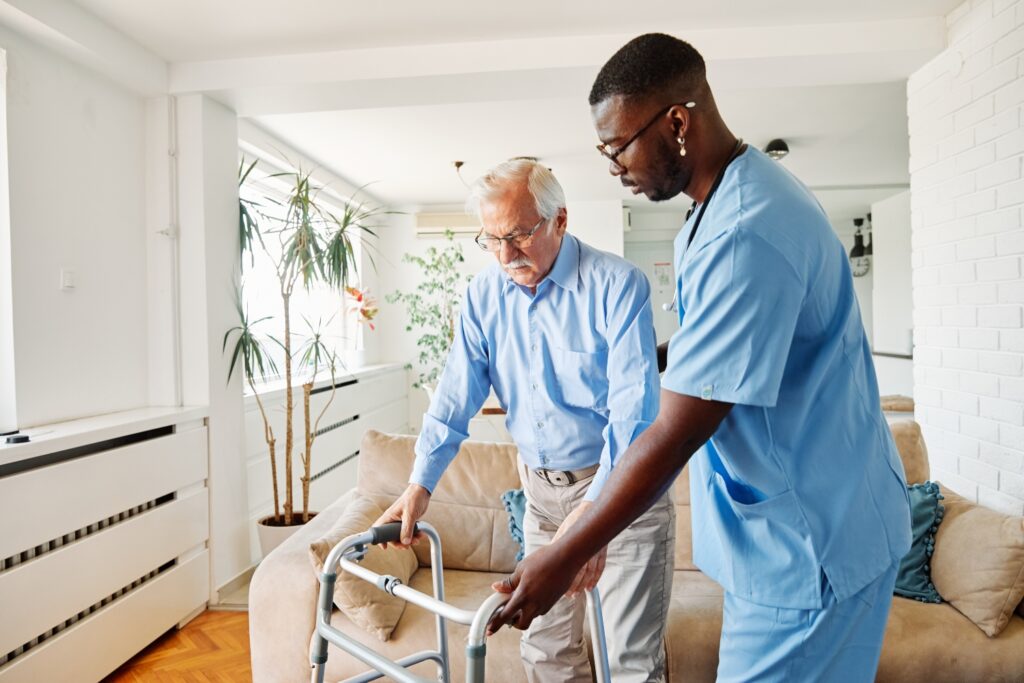



Senior living communities can take several concrete steps to better support solo agers across the aging journey, including:
1. Engage solo agers early
For solo agers, aging-related decisions are often made later and under more pressure, simply because there is no family member prompting early planning.
Senior living communities can fill this gap by engaging with solo agers earlier — offering support, connection, and guidance without requiring an immediate housing commitment.
Practical ways to engage solo agers early include:
- Extend home- and community-based services (HCBS) or non-medical support to solo agers living in the wider community
- Offer wellness check-ins, companionship visits, or care coordination services
- Open access to campus amenities, activities, and social programmes to solo agers aging at home
- Host educational workshops or one-on-one consultations, like healthy longevity, financial wellness, nutrition, or digital literacy
- Create membership or outreach programs that maintain ongoing engagement
Early engagement helps solo agers age more confidently and gives senior living communities a sustainable pathway to trust, loyalty, and future occupancy.
2. Serve as a trusted advocate and care partner
Solo agers often have to manage healthcare, insurance, and long-term care decisions alone, navigating a fragmented system without a family advocate to help them.
Senior living communities can step into this role by serving as a trusted partner — providing guidance, continuity, and peace of mind as needs evolve.
By providing advocacy and coordination, communities can help solo agers make informed decisions, avoid gaps in care, and feel supported, even if they are not yet residents.
Practical ways to serve as a trusted advocate include:
- Help solo agers identify and access appropriate healthcare and personal care services as needs evolve
- Coordinate care across providers and settings to reduce fragmentation and gaps in support
- Support navigation of health insurance coverage, benefits, and eligibility decisions
- Serve as a consistent point of contact during care transitions or health events
- Facilitate clear communication and follow-through between solo agers, providers, and service partners
Serving as a trusted advocate strengthens relationships, reduces stress for solo agers, and positions senior living communities as reliable partners in long-term aging planning.
3. Provide built-in support systems, including a social network
Without a spouse or close family, solo agers often lack a consistent support system. Senior living communities can address this gap by offering environments that foster connection, belonging, and everyday support.
Built-in social networks help reduce isolation while also creating informal layers of oversight and engagement that contribute to seniors’ overall well-being and safety.
Practical ways to provide built-in support systems include:
- Foster an inclusive environment that offers structured social, educational, and wellness programming
- Design campus spaces that naturally promote interaction, informal meetups, and shared experiences
- Facilitate and support peer networks or interest-based groups that foster ongoing connection
- Organize regular social events such as movie nights, communal dining, dance classes, games nights, and group outings that enable seniors to forge bonds
- Create engagement opportunities that include solo agers aging off-campus
By intentionally supporting social connection, senior living communities can help solo agers stay engaged and fulfilled — while reinforcing the value of community long before higher levels of care are needed.
4. Offer flexible home care service models

Solo agers often need practical, hands-on support to remain independent — but their needs change over time and rarely fit neatly into fixed levels of care. Traditional, all-or-nothing models can create unnecessary transitions or delays in support.
Senior living communities can better serve solo agers by offering flexible care services that adapt as needs evolve, both for residents and for older adults living off campus.
This approach supports independence today while creating continuity and smoother transitions if additional care or a move to campus becomes necessary.
Practical ways to offer flexible care models include:
- Optimize personal care service lines, including companionship care and transportation
- Offer support with home maintenance, safety checks, and light household tasks
- Support medication reminders and wellness monitoring
- Establish response systems for emergencies or sudden changes in condition
- Design service packages that can scale over time and transition easily into on-campus support
Flexible care models help solo agers maintain independence longer while giving senior living communities a coherent continuum of care that strengthens relationships and leads to better outcomes.
5. Support financial predictability and long-term security
For solo agers, planning for the future often comes with heightened anxiety — particularly around affordability, unexpected costs, and how care needs may evolve over time. Without family support, unclear pricing or complex contracts can delay decisions and undermine confidence.
Senior living communities can reduce this uncertainty by prioritizing transparency and predictability, helping solo agers understand their options and plan ahead with greater peace of mind.
Practical ways to support financial predictability include:
- Offer all-inclusive or clearly structured pricing models where possible
- Be transparent about added services, fees, and potential future costs
- Help solo agers understand which services are included — and which are not
- Support navigation of Medicare, supplemental insurance, and related coverage
- Provide planning conversations focused on affordability and long-term sustainability
Clear financial frameworks help solo agers plan earlier and position senior living communities as trusted, low-risk partners in the aging journey.
6. Design programs and policies with solo agers in mind
Many senior living programs and processes are built around the assumption that residents have family members involved in decision-making and support. For solo agers, this can create gaps — particularly during onboarding, care transitions, or emergencies.
Communities that intentionally design programs and policies with solo agers in mind are better equipped to support this growing population consistently and equitably.
Practical ways to design with solo agers in mind include:
- Review policies that assume family involvement and identify gaps
- Establish clear protocols for decision-making when no family is present
- Assign designated points of contact or care partners for solo agers
- Design onboarding and transition processes that emphasize guidance and clarity
- Use tools or platforms that support coordination across services and settings
Designing intentionally for solo agers ensures they are supported not as an exception, but as a core and growing resident profile.
Together, these strategies enable senior living communities to support solo agers more proactively — helping them remain independent, connected, and supported as their needs change over time. By extending services beyond traditional residency models, communities can reduce risk, strengthen continuity of care, and create more intentional pathways into future support.
For solo agers, this means aging with greater confidence, connection, and peace of mind. For senior living communities, it supports stronger relationships, smoother transitions, and long-term sustainability in an evolving senior care landscape.
A call to action for senior living leaders

Solo agers are no longer a niche population — they are a growing and increasingly central part of the aging landscape. Senior living communities that adapt now have an opportunity to better serve this group while strengthening relevance, resilience, and long-term growth.
As expectations evolve, leaders may consider where their communities are already well-positioned — and where new models, services, or partnerships could better support older adults aging without family support.
Questions for senior living leaders to consider:
- Are we engaging and supporting solo agers before they reach a point of crisis?
- Are we equipped to act as a trusted advocate for older adults without family involvement?
- Do we offer flexible support services and engagement opportunities that extend beyond our campus and adapt as needs change?
- Do our pricing, policies, and care coordination tools support clarity, continuity, and confidence?
- Do we have the tools and infrastructure in place to coordinate care, services, and engagement across settings?
Platforms like Aaniie Care can help senior living communities operationalize these strategies by enabling home- and community-based services, personal care services and coordination, and ongoing engagement with solo agers both on and off campus.
To learn how Aaniie Care supports flexible, future-ready models of care, contact us to learn more.
